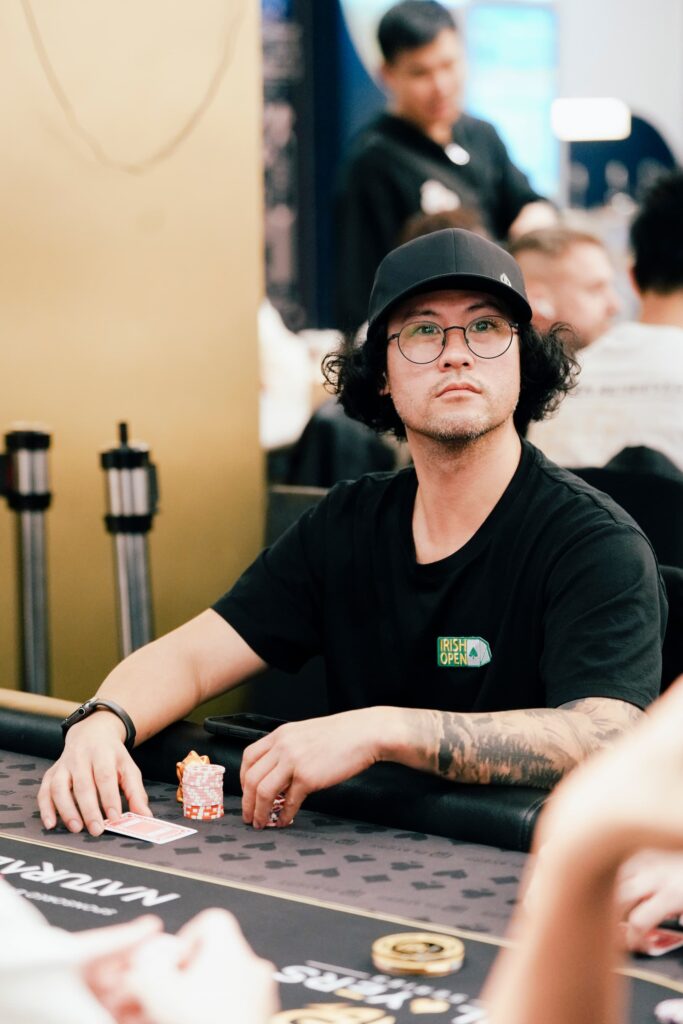
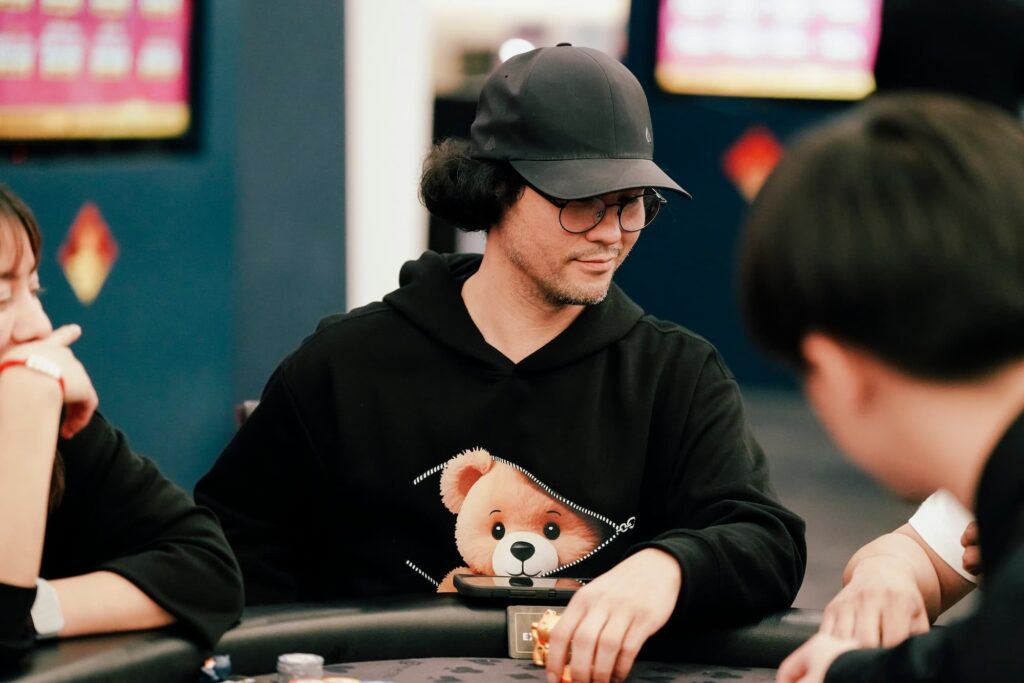
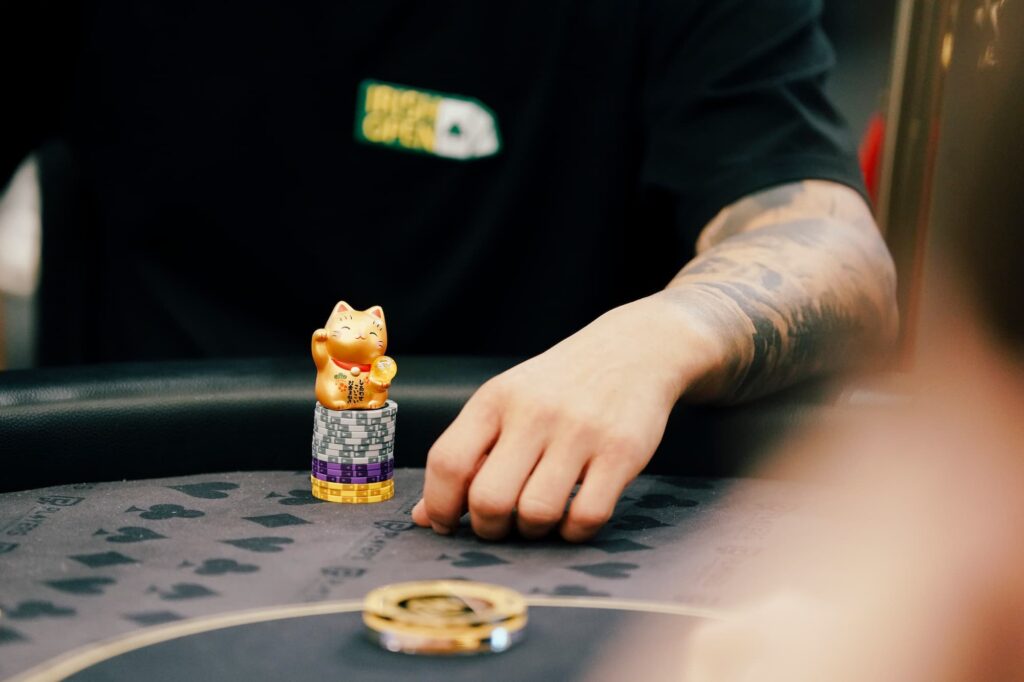
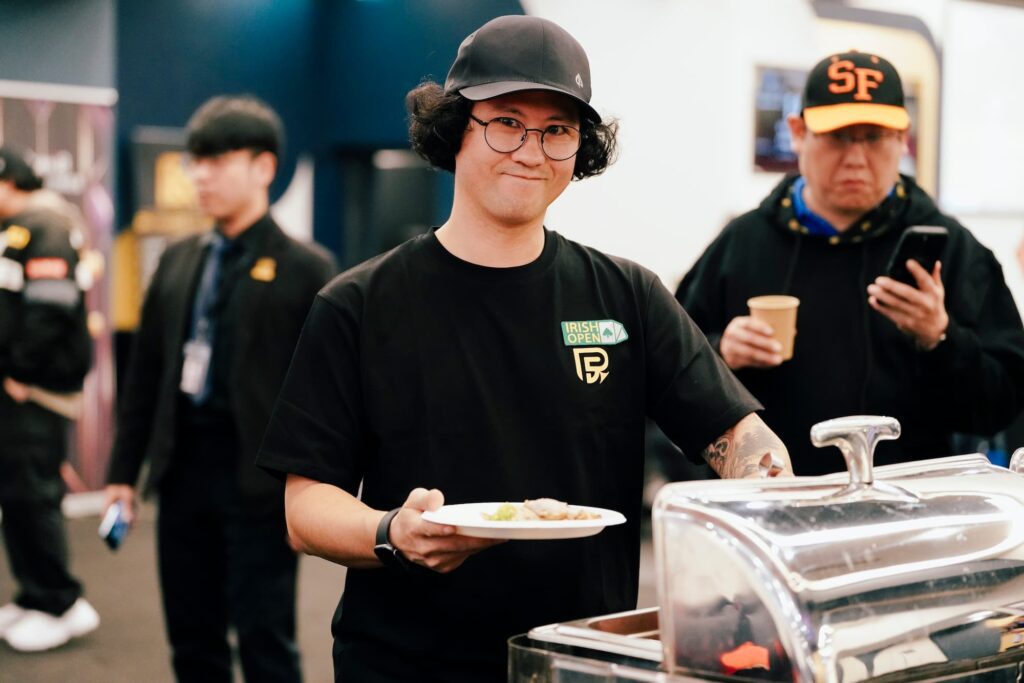
Meet Darren Chow, a deaf poker player from Toronto, Canada, who joined us at the recent Players Series Championship III Taipei. Darren is far more than just a player in the field — he is also a passionate advocate for greater inclusivity and representation in poker.
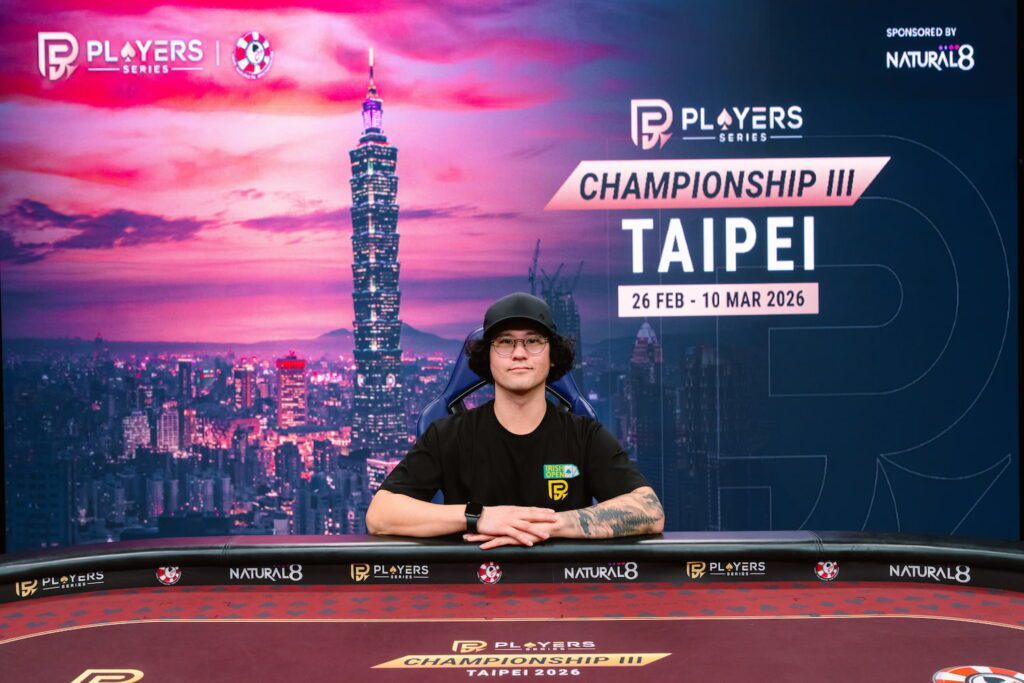
During the festival, we had the opportunity to speak with Darren and learn more about his journey, from first discovering poker during the NHL lockout to building and supporting deaf poker communities, and later becoming an ambassador for the Irish Open Deaf Championship.
In this Player Spotlight, Darren reflects on how being deaf has shaped his experience at the table, the importance of accessibility in live tournaments, and his vision for a stronger, more visible deaf poker community in the years ahead.
More than just a conversation about poker, this is a story of resilience, advocacy, and helping ensure the game continues to welcome everyone.
Player Spotlight: Darren Chow
How would you introduce yourself – both as a person and as a poker player?
“My name is Darren, and I’m a deaf poker player from Toronto, Canada. I’ve been involved in poker for about 23 years now. Over the years, the game has become more than just competition for me — it’s also about community, representation, and helping make poker more inclusive.”
How did you first discover poker, and what made you fall in love with the game?
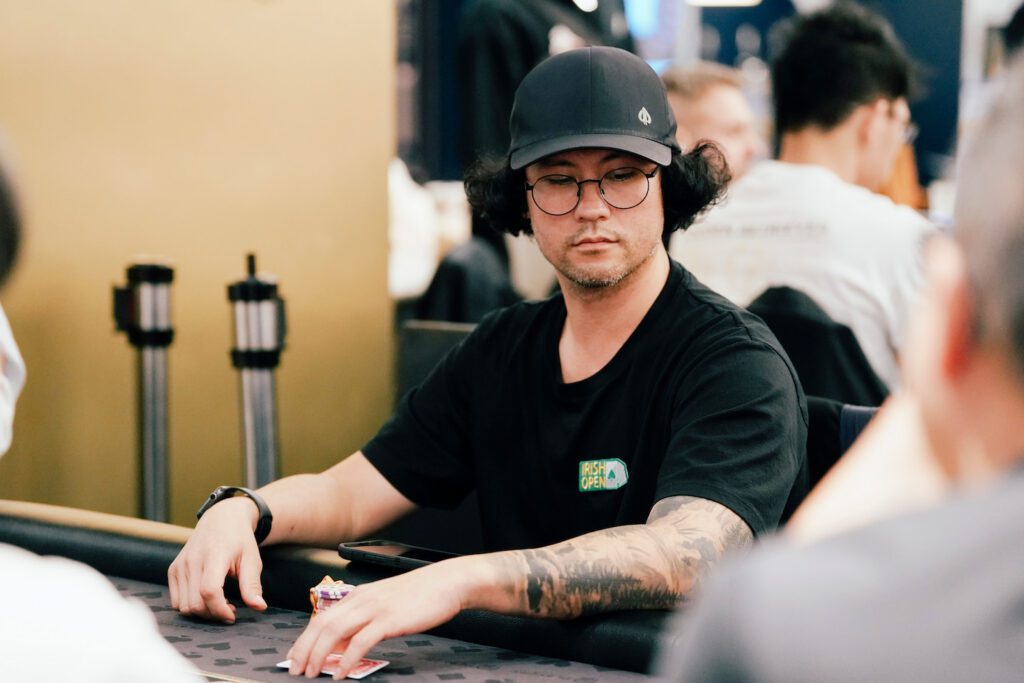
‘Well, I first discovered poker around 2004–2005 during the NHL lockout. There was no hockey on TV for a long time, so I started watching other things, and that’s when I came across the World Poker Tour on television. At that time, I didn’t really know anything about poker. But when I watched the final tables and saw players competing for big prize money especially when it got down to heads-up I found it really exciting. It made me curious about the game and I wanted to learn more. So I started organizing small home games with friends where we could all learn together. That’s really how my poker journey began.”
At what point did you realize poker could become more than just a hobby for you?
“I realized poker could be more than just a hobby when I started appreciating the strategy behind the game. Poker isn’t only about the cards — it’s about mindset, strategy, and reading your opponents. In some ways it reminds me of chess or Mahjong, where you have to think several steps ahead. That challenge made the game really exciting for me and motivated me to keep improving.”
Deaf Community & Representation
Can you share your experience as a member of the deaf poker community? What does this community mean to you personally?
“Myself as a Deaf person, I would to support Deaf Poker Community around the world to building grown for Deaf poker. First I set up Toronto Deaf Poker community tried to building grown fort he deaf community but then I decided to changed name to Canada Deaf Poker to grown large deaf poker community cross Canada. I also support Deaf Poker Community around the world.”
What are some challenges deaf players face in live tournament environments that most hearing players may not be aware of?
“A lot of communication in live poker happens verbally — dealers announcing actions, players saying ‘raise’ or ‘all-in,’ or tournament staff making announcements. Deaf players can sometimes miss those cues. That means we have to rely much more on watching chip movements and body language. Small things like clear visual signals and dealers repeating actions with chips really help.”
What small but meaningful adjustments can tournament organizers make to improve inclusivity for deaf players?
“Most of the adjustments are actually very small. Clear visual communication helps a lot — for example dealers making sure chip actions are visible when announcing raises or all-ins. Having tournament information displayed on screens instead of only announced verbally is also very helpful. Another simple thing is making sure staff are aware when a deaf player is at the table so they can communicate clearly if needed. Small awareness like that goes a long way in making tournaments more inclusive.”
You are also an ambassador for the Irish Open Deaf Championship. How did that opportunity come about, and what does the role involve?
“The opportunity came naturally through my involvement in the deaf poker community. I’ve always been passionate about bringing more visibility to deaf players in poker, and the Irish Open organizers were very supportive of that vision. When they invited me to become an ambassador for the Deaf Championship, it felt like a great chance to contribute to something meaningful.”
“The role involves promoting the event, connecting with deaf players around the world, and helping make sure the tournament continues to grow and remain accessible for the community.”
Irish Open Deaf Championship & Advocacy
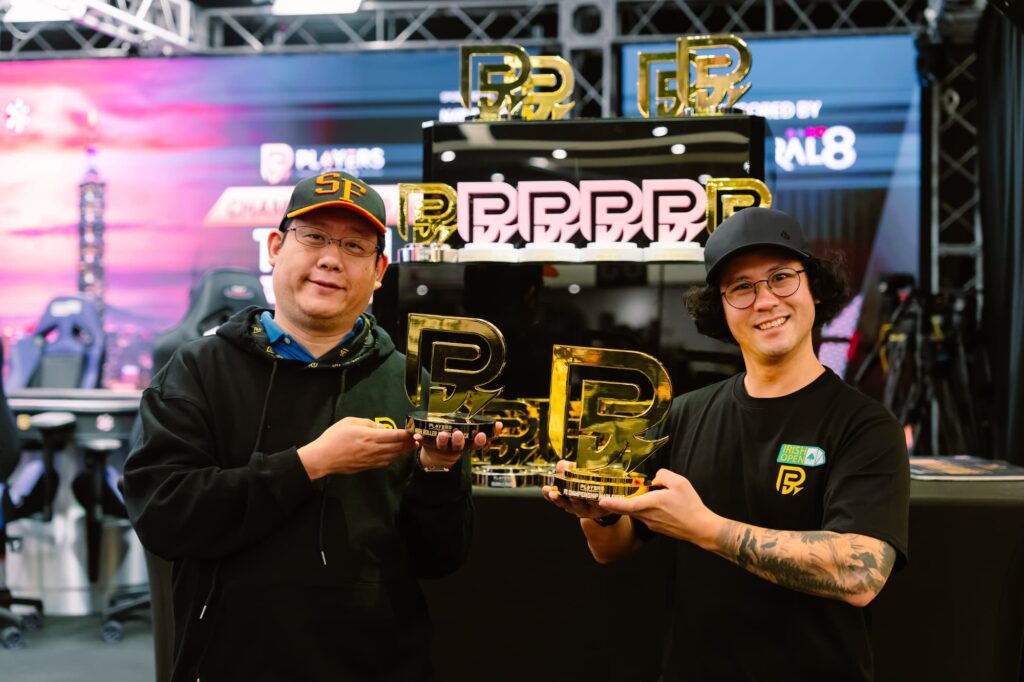
What was your vision or goal in helping grow and support the Irish Open Deaf Championship?
“My vision was to help create a space where deaf poker players could compete on an equal footing and feel fully included. I wanted to raise awareness of the deaf poker community, encourage more players to participate, and show that accessibility in poker doesn’t mean changing the game — it just means making small adjustments so everyone can enjoy it. Ultimately, my goal is to help grow a strong, visible community that supports and inspires deaf players around the world.”
In your opinion, what elements make a great Deaf Championship event?
“For me, the most important elements are inclusivity and connection. Players should be able to compete at their best without worrying about missing verbal announcements or cues. It’s also about building a sense of community, where players can meet, learn from each other, and feel proud to be part of a Deaf Championship.”
Do you think there is a growing deaf poker community in Asia that would welcome a similar Deaf Championship event in the region?
“Currently, there aren’t many deaf poker players in Asia that I know of, so the community is still very small. But I think a Deaf Championship in Asia would be an amazing opportunity to start building that community. I hope to teach new deaf players how to play poker in the future and encourage participation. I also think bringing deaf players from overseas to Asia could help inspire and grow interest, making it a starting point for a strong deaf poker community in the region.”
Poker Mindset & Playing Style
How would you describe your playing style in one sentence?
“I would describe my playing style as patient and strategic, always looking for opportunities to read my opponents and make the right decisions.”
Has being deaf influenced the way you read situations or opponents at the table? If so, how?
“Yes, being deaf has definitely shaped the way I play. Since I can’t rely on verbal cues, I focus much more on visual information — reading opponents’ body language, facial expressions, chip movements, and timing. Over time, this has made me a very observant and strategic player.”
What has been your proudest poker achievement so far — and why?
“My proudest achievement is being able to represent the deaf poker community and help promote events like the Deaf Championship. Becoming an ambassador for the Irish Open Deaf Championship is something I’m very proud of, because it allows me to raise awareness and encourage more deaf players to get involved in poker. For me, it’s not only about playing the game, but also about helping the community grow and showing that deaf players can compete and succeed.”
What is one lesson poker has taught you that applies to life outside the game?
“Poker has taught me how to handle both winning and losing. Sometimes things don’t go your way, but you have to stay calm, learn from the experience, and keep moving forward. That lesson applies a lot in life.”
Breaking Barriers & Inspiration
What message would you like to share with deaf players who may feel hesitant about entering live tournaments?
“I would say: believe in yourself and don’t let being deaf stop you from trying. Poker is a game of skill and strategy, and deaf players can compete just as well as anyone else. The most important step is simply showing up and playing.”
What can the broader poker community do to become more inclusive without overcomplicating things?
“One of the best ways is to be more supportive of beginners. Explaining rules when needed, encouraging new players, and avoiding intimidation can make poker feel much more accessible.”
If you could change one thing about live tournament procedures to improve accessibility, what would it be?
“I’d make tournament procedures easier to understand by providing clearer explanations—both verbally and visually. Simple rule guides, screens showing key info, and brief announcements can help newer players and international players feel more comfortable.”
Looking Ahead
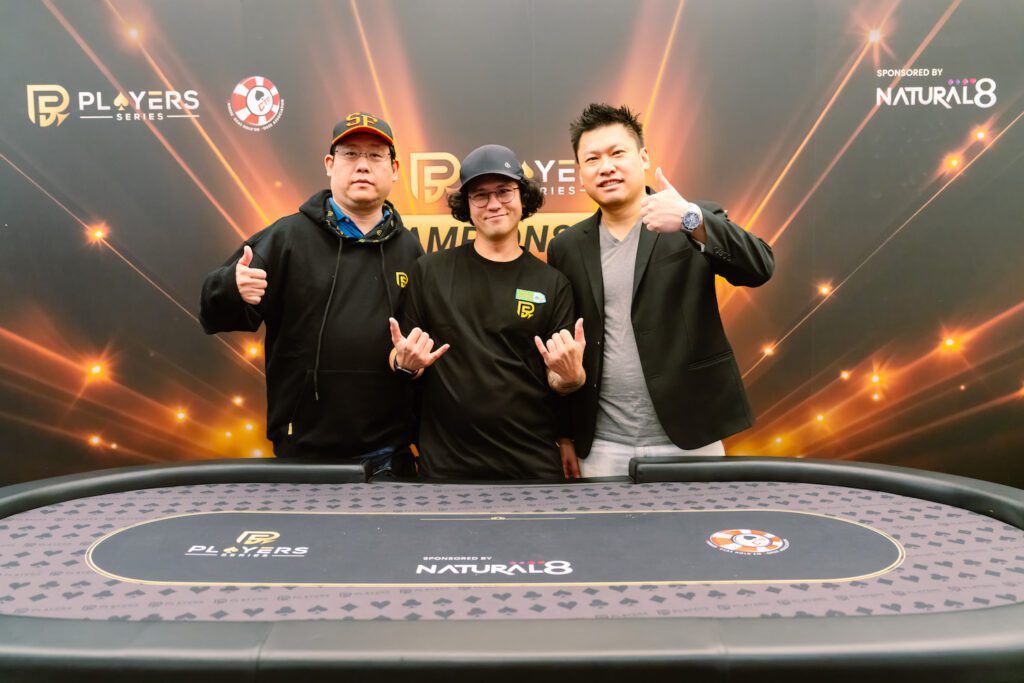
What goals are you currently working toward in poker?
“I’m working toward playing more major live tournaments and gaining experience at higher levels. Competing against stronger fields is one of the best ways to keep improving.”
Where do you see the deaf poker community in five years?
“In five years I see the deaf poker community growing, becoming more visible, and gaining greater acceptance in the mainstream poker world. With better technology and stronger community support, more deaf players will feel confident competing at all levels.”
How can players and fans support you and the continued growth of deaf poker?
“Supporting deaf poker also means celebrating our successes—whether a tournament win, a high placement, or community milestones. Recognition motivates players and shows the wider poker world that deaf players are here to compete.”